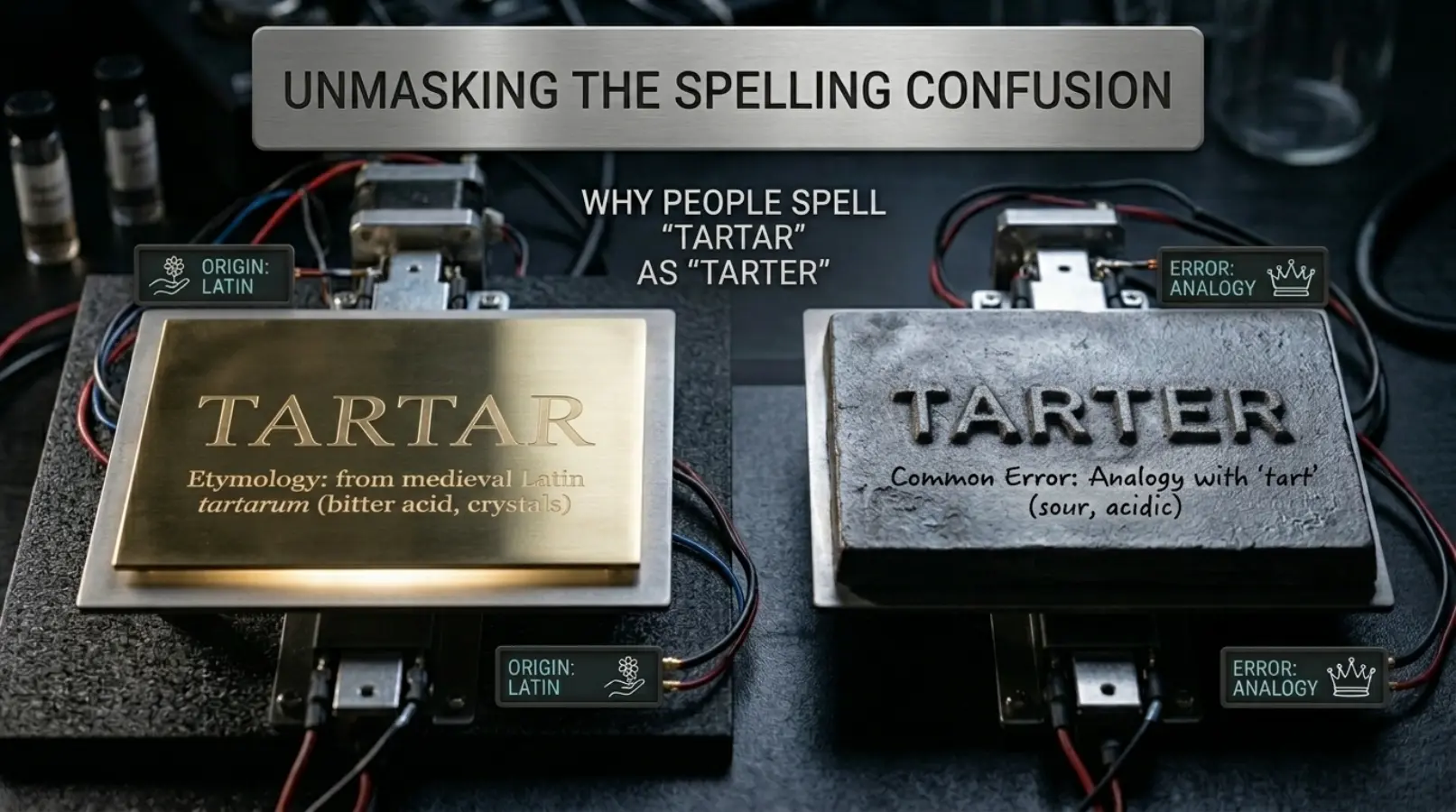
Tartar or tarter is a common question because these two words look almost the same. However, they have very different meanings. Using the wrong one can confuse your readers or make your writing look less professional.
The good news is that the difference is easy to learn. Once you know what each word means, you will rarely mix them up again.
In this guide, you will discover the meaning of tartar and tarter, see real-life examples, compare their uses, and learn simple tricks to remember the correct word. Whether you are writing for school, work, or everyday conversations, this article will help you use these words with confidence.
Quick Summary
- Tartar is a noun.
- Tartar usually refers to hardened dental plaque or a food ingredient like cream of tartar.
- Tarter is the comparative form of tart.
- Tarter means “more sour” or “more sharp in taste.”
- These words are not interchangeable.
- Remember: Tartar = teeth or cooking. Tarter = taste.
What Does “Tartar” Mean?
Tartar is a noun with several meanings.
The most common meaning is the hard deposit that forms on teeth after plaque hardens. Dentists remove tartar during professional cleanings.
It can also refer to:
- Cream of tartar, a baking ingredient
- Tartar sauce served with seafood
- Historical references, although these are less common today
Examples
- I visited the dentist to remove tartar.
- The recipe needs one teaspoon of cream of tartar.
- Fish tastes great with tartar sauce.
What Does “Tarter” Mean?
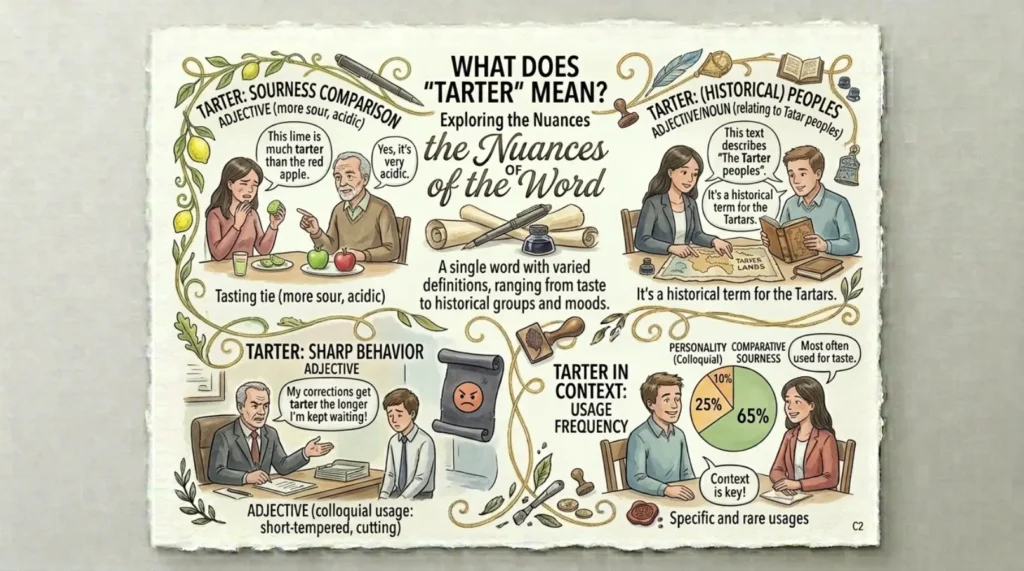
Tarter is the comparative form of the adjective tart.
It describes something that tastes more sour or has a sharper flavor than something else.
Examples
- This lemon tastes tarter than the orange.
- Green apples are tarter than red apples.
- The homemade yogurt became tarter after two days.
Tartar or Tarter: What’s the Difference?
Although they differ by only one letter, their meanings are completely different.
| Feature | Tartar | Tarter |
|---|---|---|
| Part of Speech | Noun | Comparative adjective |
| Meaning | Hardened plaque or food ingredient | More sour or sharp |
| Used for | Teeth, baking, sauces | Taste comparison |
| Example | The dentist removed tartar. | This apple is tarter. |
| Can replace the other? | No | No |
When Should You Use “Tartar”?
Use tartar whenever you talk about:
- Dental hygiene
- Cream of tartar
- Tartar sauce
- Medical or cooking topics
Correct Examples
- Too much tartar can lead to gum disease.
- Add cream of tartar to stabilize egg whites.
- I ordered fish with tartar sauce.
When Should You Use “Tarter”?
Use tarter when comparing flavors.
It always describes something that is more tart than another thing.
Correct Examples
- The fresh berries taste tarter this season.
- This vinegar is tarter than the last one.
- Homemade lemonade is often tarter than bottled lemonade.
Real-Life Examples of Tartar and Tarter
Learning through real situations makes grammar easier.
At the Dentist
Correct:
“My dentist removed the tartar from my teeth.”
Incorrect:
“My dentist removed the tarter from my teeth.”
In the Kitchen
Correct:
“Add cream of tartar to the recipe.”
Correct:
“This pie tastes tarter than yesterday’s pie.”
Grocery Store
Correct:
“These green apples are tarter than the red ones.”
Seafood Restaurant
Correct:
“I’d like extra tartar sauce.”
Common Mistakes People Make
Many learners confuse these words because they look similar.
Mistake 1
❌ The dentist removed my tarter.
✅ The dentist removed my tartar.
Mistake 2
❌ This apple is more tartar.
✅ This apple is tarter.
Mistake 3
❌ Add tarter to the cake recipe.
✅ Add cream of tartar.
Mistake 4
❌ The lemon tastes tartar than the lime.
✅ The lemon tastes tarter than the lime.
Simple Trick to Remember the Difference
Use this memory tip:
Tartar = Teeth
Both words contain many repeated letters, making them easy to connect.
Think:
Tartar → Tooth
Now remember:
Tarter = Taste
If you compare flavors, use tarter.
Tartar and Tarter in Daily Life
You may hear these words in many situations.
Dental Clinic
- Dental tartar
- Tartar removal
- Tartar buildup
Baking
- Cream of tartar
- Baking powder recipes
- Meringue recipes
Food Reviews
- Tarter apples
- Tarter berries
- Tarter lemonade
Restaurants
- Tartar sauce
- Fried fish
- Seafood meals
Synonyms and Related Keywords
Tartar
- Dental calculus
- Hardened plaque
- Cream of tartar
- Tartar sauce
Tarter
- More sour
- More acidic
- More sharp
- More tangy
- More puckering
Related Search Terms
- tartar meaning
- tarter meaning
- tartar vs tarter
- cream of tartar definition
- dental tartar
- tarter apples
- tart vs sour
- tartar pronunciation
- how to remove tartar
- what does tarter mean
Why People Confuse Tartar and Tarter
The words look nearly identical.
They also share the same first five letters.
However, grammar tells them apart.
- Tartar is a noun.
- Tarter compares taste.
Knowing the part of speech helps you choose correctly every time.
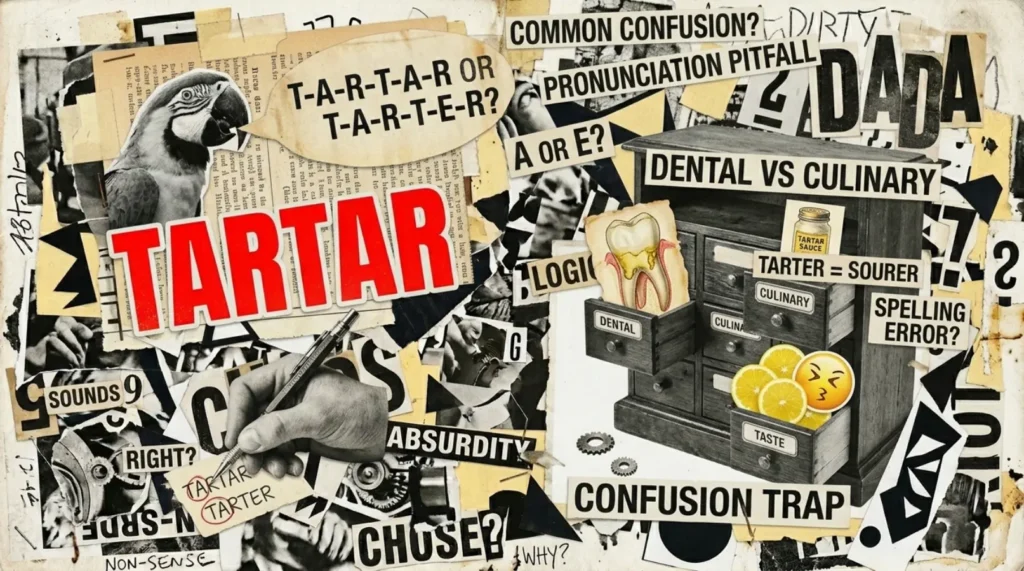
Expert Insight
Professional writers focus on meaning before spelling.
When choosing between tartar and tarter, ask yourself one question:
Am I talking about teeth, baking, or sauce?
If yes, use tartar.
If you compare flavors, use tarter.
This simple check prevents almost every mistake.
Search engines also favor content with clear grammar. Using the correct word improves readability, builds trust, and supports a better user experience.
FAQs
Is it tartar or tarter?
Both are correct words, but they have different meanings. Tartar is a noun, while tarter compares taste.
What does tartar mean?
Tartar usually refers to hardened plaque on teeth. It can also mean cream of tartar or tartar sauce.
What does tarter mean?
Tarter means more tart or more sour than something else.
Is cream of tartar the same as tarter?
No. Cream of tartar is a baking ingredient. Tarter is a word used to compare flavor.
Can I say “this apple is tartar”?
No. The correct sentence is:
“This apple is tarter.”
Is tartar bad for teeth?
Yes. Dental tartar can contribute to gum disease and cavities if it is not removed through proper dental care.
Why is it called tartar sauce?
The name comes from a traditional sauce served with seafood. It is unrelated to the adjective tarter.
How can I remember the difference?
Remember:
- Tartar = Teeth, baking, sauce
- Tarter = Taste comparison
Internal Linking Suggestions
To strengthen your website’s SEO, consider linking this article to:
- Tart vs Sour: What’s the Difference?
- Affect or Effect
- Loose or Lose
- Then or Than
- Its or It’s
- Stationary or Stationery
- Compliment or Complement
- Everyday or Every Day
Featured Snippet Answer
Tartar is a noun that refers to hardened plaque on teeth, cream of tartar, or tartar sauce. Tarter is the comparative form of tart and means more sour or sharper in taste. The words have different meanings and should not be used interchangeably.
Conclusion
Understanding tartar or tarter becomes simple once you know their meanings. Tartar refers to hardened plaque on teeth, a baking ingredient called cream of tartar, or tartar sauce served with seafood. Tarter, on the other hand, compares flavor and means “more sour” or “more tangy.”
Although these words differ by only one letter, they belong to different parts of speech and serve different purposes. Using the correct one improves your writing and avoids confusion. A simple memory trick helps: tartar is for teeth and cooking, while tarter is for taste. Keep practicing with real-life examples, and choosing the right word will soon become second nature.

Michael Reed is a language content writer and word comparison researcher based in the United States. He studied English Language and Communication and focuses on grammar, spelling differences, and word usage. His work helps readers understand confusing English words through clear comparisons and practical explanations. Michael creates simple, reader-friendly content designed to improve everyday language skills.