
Cues or ques is a common spelling question that confuses many English learners and native speakers alike. These two words look similar, but they have very different meanings.
Many people see the word ques online and wonder if it is a correct spelling of cues. The answer depends on the context. In most cases, people mean cues, not ques.
Understanding the difference helps you write clearly and avoid mistakes. It also improves your grammar and communication skills.
In this guide, you will learn the meanings of both words, see real-life examples, compare their usage, and discover easy tricks to remember the correct spelling.
Quick Summary Box
Featured Snippet Answer
- Cues is the correct English word in most situations.
- Cue means a signal, prompt, hint, or instruction.
- Ques is usually an abbreviation of questions.
- People often mistakenly write ques when they mean cues.
- Use cues for signals or prompts.
- Use ques only when shortening the word questions.
What Does “Cue” Mean?
A cue is a signal that tells someone to do something.
It can be spoken, written, visual, or physical.
Examples
- The actor waited for his cue before speaking.
- Her smile was a cue to start the conversation.
- The teacher gave a cue for students to begin.
- Traffic lights provide cues for drivers.
In simple words, a cue is a hint or signal.
What Does “Ques” Mean?
Ques is usually a shortened form of the word questions.
It is not commonly used in formal writing.
Examples
- Please answer the following ques.
- The exam paper contains ten ques.
These examples appear mostly in notes, text messages, or informal writing.
Most style guides recommend writing questions instead of ques.
Cues or Ques: Key Difference
The main difference is simple.
- Cue relates to signals or prompts.
- Ques is a short form of questions.
Many spelling mistakes happen because both words sound somewhat similar when read quickly.

Cues vs Ques Comparison Table
| Feature | Cues | Ques |
|---|---|---|
| Meaning | Signals, prompts, hints | Short form of questions |
| Part of Speech | Noun | Abbreviation |
| Formal Writing | Yes | Usually no |
| Common Usage | Very common | Limited |
| Dictionary Word | Yes | Generally treated as an abbreviation |
| Example | The teacher gave visual cues. | Answer the ques carefully. |
Why Do People Confuse Cues and Ques?
Several factors cause confusion.
Similar Appearance
Both words contain the letters u, e, and s.
Fast Typing
People often make typing mistakes online.
Lack of Familiarity
Some writers have seen ques used in notes and assume it is a standard word.
Pronunciation Issues
English spelling does not always match pronunciation.
As a result, similar-looking words often get mixed up.
How to Use “Cues” Correctly
Use cues when talking about signals, hints, prompts, or indicators.
Real-Life Examples
- Body language gives important social cues.
- The coach gave cues from the sidelines.
- Visual cues help children learn faster.
- The speaker used hand cues during the presentation.
- Drivers rely on road cues while traveling.
In each example, cues means signals or guidance.
How to Use “Ques” Correctly
Use ques only when shortening the word questions.
However, this abbreviation works best in informal contexts.
Examples
- Complete all ques before leaving.
- The worksheet contains five ques.
- I noted the important ques for tomorrow’s test.
In professional writing, use questions instead.
Real-Life Examples of Cues and Ques
Example 1: Classroom
Correct:
- The teacher gave verbal cues before the activity.
Correct:
- Students answered all the ques in their notebooks.
Example 2: Theater
Correct:
- Actors wait for their cues before entering the stage.
Incorrect:
- Actors wait for their ques before entering the stage.
Example 3: Examination
Correct:
- Read all questions carefully.
Acceptable Informally:
- Read all ques carefully.
Common Mistakes People Make
Mistake #1: Using Ques Instead of Cues
Incorrect:
- The audience followed the ques from the presenter.
Correct:
- The audience followed the cues from the presenter.
Mistake #2: Using Cues for Questions
Incorrect:
- Please answer these cues.
Correct:
- Please answer these questions.
Mistake #3: Using Ques in Formal Documents
Formal documents should use the complete word questions.
Easy Trick to Remember the Difference
A simple memory trick can help.
Cue = Signal
Think:
Cue = Clue
Both words relate to hints and guidance.
Ques = Questions
Think:
Ques starts with Q
Questions also start with Q
This makes the meaning easy to remember.
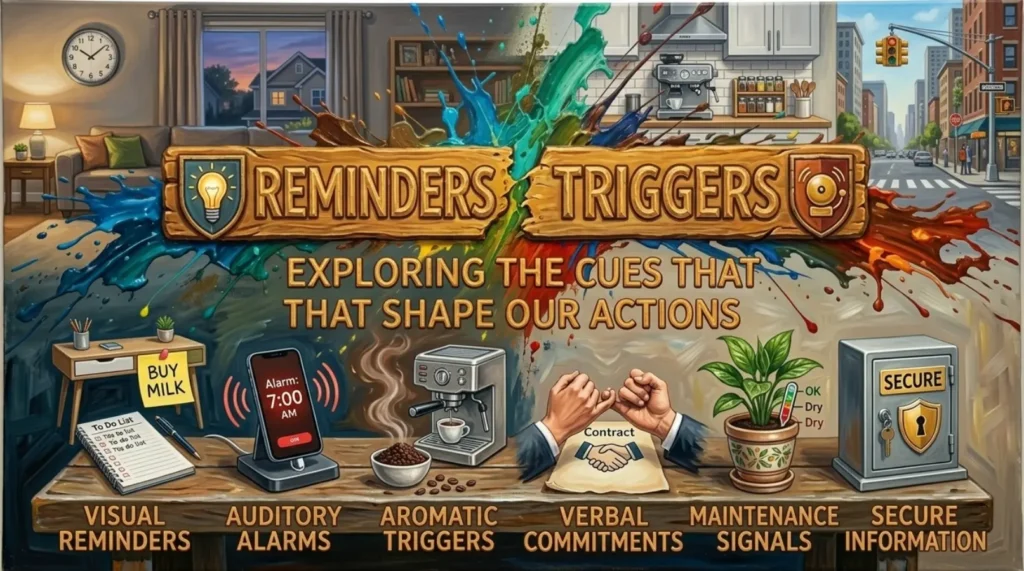
Cues in Daily Life
You encounter cues every day.
Social Cues
- Facial expressions
- Eye contact
- Tone of voice
Driving Cues
- Road signs
- Traffic lights
- Lane markings
Learning Cues
- Teacher instructions
- Visual symbols
- Study reminders
Cues help people make decisions and respond correctly.
Synonyms of Cues
Using related words improves your vocabulary.
Cue Synonyms
- Signal
- Hint
- Prompt
- Indicator
- Suggestion
- Sign
- Trigger
- Reminder
Related Keywords
- visual cues
- verbal cues
- social cues
- behavioral cues
- communication signals
- body language cues
When Should You Avoid Using “Ques”?
Avoid ques in:
- Academic papers
- Business reports
- Professional emails
- Formal presentations
- Published articles
Instead, write the full word:
Questions
This looks more professional and improves readability.
Expert Insight: Why This Difference Matters
Professional writers pay close attention to word choice.
Using the correct word builds credibility and trust.
When readers see spelling errors, they may question the quality of your content.
Search engines also favor clear, high-quality writing.
Understanding the difference between cues and ques helps you communicate more effectively and appear more professional.
Frequently Asked Questions
Is cues the correct spelling?
Yes. Cues is the correct plural form of cue.
Is ques a real word?
Not usually. It is mainly used as an abbreviation for questions.
What does cue mean in English?
A cue is a signal, prompt, or hint that guides action.
Can I use ques in formal writing?
No. Use questions instead.
What are social cues?
Social cues are signals people use during communication, such as facial expressions and tone of voice.
Why do people confuse cues and ques?
They look similar and are often mistyped.
Is cue singular or plural?
Cue is singular. Cues is plural.
Which word should I use most often?
In most situations, cues or questions are correct. Ques is rarely needed.
Conclusion
The debate around cues or ques becomes simple once you understand their meanings. Cues refers to signals, prompts, or hints that guide actions. Ques, on the other hand, is usually just a shortened form of questions.
In everyday English, cues is the word most people need. It appears in communication, education, acting, driving, and many other situations. Meanwhile, ques mainly appears in informal notes and abbreviations.
When writing professionally, choose your words carefully. Use cues for signals and questions for inquiries. Following this simple rule will help you avoid common mistakes and improve your writing confidence.

James Carter is a comparison writer and research specialist with over 10 years of experience in digital publishing. With a background in business communication and consumer research, he creates detailed comparison articles, buying guides, and reviews that help readers make informed decisions with confidence. “Every comparison should help readers make better decisions. My goal is to turn complex information into clear, practical guidance that people can trust.” — James Carter